Crafting a 3D Paper Haunted House: A Practical Guide to Digital Design and Assembly
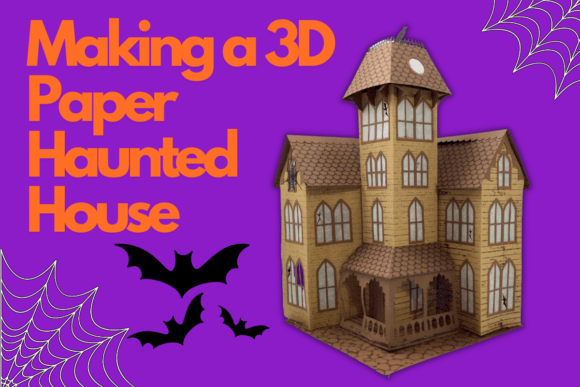
The intersection of digital design and tangible crafting has created a unique niche for creators who value precision alongside artistic expression. Making a 3D paper haunted house represents more than just a seasonal decoration; it is a comprehensive exercise in spatial reasoning, material selection, and software proficiency. For professionals and serious hobbyists alike, the process of transforming a flat SVG template into a structured, three-dimensional object offers significant insights into workflow efficiency and creative execution. This guide evaluates the process of building such a structure using resources from Creative Fabrica and the instructional framework provided by Kelsey, focusing on the practical realities of setup, assembly, and final presentation.
The Value of Structured Digital Templates
At the core of this project lies the SVG (Scalable Vector Graphics) template. Unlike raster images, which lose quality when resized, SVG files allow for infinite scalability without pixelation. This is critical when adapting a design to different paper weights or machine capabilities. The specific template available through Creative Fabrica serves as a foundational asset, providing pre-calculated scores, cuts, and fold lines that eliminate the guesswork often associated with manual prototyping.
For educators and small business owners, the reliability of a well-engineered template cannot be overstated. A high-quality file ensures consistency across multiple units, which is essential if the goal is to produce inventory for sale or materials for a classroom setting. The strength of this approach lies in its repeatability. Once the digital file is perfected within the design software, the physical output remains uniform, reducing waste and maximizing material yield. This level of control is particularly valuable for marketers and publishers looking to create branded, high-impact visual assets for campaigns or events.
Optimizing Cricut Design Space Workflow
The instructional component led by Kelsey focuses heavily on the setup within Cricut Design Space, a step that often determines the success or failure of the final build. Proper configuration involves more than simply uploading a file; it requires an understanding of layer management, attachment functions, and score line settings. Users must distinguish between cut lines, which separate the material, and score lines, which facilitate clean folds. Misinterpreting these directives can lead to structural instability or aesthetic flaws.
In a professional context, mastering these software nuances translates to time savings and reduced frustration. The class guides users through organizing complex layers, ensuring that intricate details like window frames, roof shingles, and decorative trim are correctly aligned before the machine ever begins cutting. This preparatory phase is where the bulk of the technical learning occurs. By following a structured tutorial, creators can avoid common pitfalls such as misplaced welds or incorrect material settings, which often result in ruined supplies. The objective here is not just to complete one house, but to develop a replicable workflow that can be applied to future papercraft projects.
Material Selection and Structural Integrity
While the digital file provides the blueprint, the physical outcome depends heavily on material choice. Making a 3D paper haunted house requires a balance between flexibility and rigidity. Cardstock ranging from 65 lb to 80 lb is typically ideal; lighter weights may collapse under the weight of the roof or fail to hold sharp creases, while heavier boards might resist folding or jam cutting machines. The texture and finish of the paper also influence the final atmosphere. Matte finishes often convey a more vintage, eerie aesthetic suitable for Halloween, whereas glossy stocks might reflect light in ways that detract from the spooky ambiance.
From a usability standpoint, the durability of the finished product is a key consideration. A well-constructed paper house should withstand handling during display and storage. The interlocking tabs and glue points designed into the SVG template are engineered to distribute stress evenly. However, the adhesive chosen plays a pivotal role. Fast-drying liquid glues offer strong bonds but require precision to avoid visible residue, while double-sided tape provides a cleaner look but may lack long-term holding power in humid environments. Professionals evaluating this craft for commercial purposes must test these variables to ensure the product meets quality standards for longevity.
Assembly Techniques and Spatial Awareness
The transition from flat components to a standing structure demands careful attention to sequence. The assembly process generally follows a logical progression: establishing the base, erecting the walls, and finally securing the roof and interior elements. Rushing this stage often leads to misalignment, where windows do not match up or the roof sits unevenly. The instructional approach emphasizes patience and methodical construction, encouraging builders to dry-fit pieces before applying permanent adhesives.
This phase highlights the educational value of the project. For parents and teachers, it serves as a practical lesson in geometry and engineering principles. Participants learn how two-dimensional shapes combine to create volume and stability. For freelancers and creators, it reinforces the importance of prototyping. Even with a perfect digital file, real-world variables like paper grain direction and humidity can affect the fit. Adjusting techniques based on these observations builds a deeper understanding of the medium, enhancing the creator's ability to troubleshoot and innovate in future designs.
Target Audience and Practical Applications
Who benefits most from making a 3D paper haunted house? The appeal extends beyond casual crafters. Small business owners can utilize this skill to create unique, handcrafted decor for boutique sales, offering a personalized alternative to mass-produced plastic decorations. The low overhead cost of materials combined with the high perceived value of handmade items makes this a viable micro-business opportunity. Similarly, event planners and marketers can employ these structures as centerpieces or photo booth backdrops, leveraging their customizability to align with specific brand themes or color palettes.
Educators will find this project particularly effective for STEM-related activities, blending art with technical skills. The requirement to follow digital instructions and execute precise mechanical actions fosters focus and fine motor development. Furthermore, the modular nature of the design allows for scalability; a single house can be part of a larger village, enabling collaborative projects where different participants contribute individual buildings to a cohesive display.
Limitations and Realistic Expectations
Despite its many strengths, the project does have limitations that potential users should consider. Time investment is a primary factor. While the cutting process is automated, the weeding (removing excess material) and assembly phases are labor-intensive. A complex haunted house with multiple layers and detailed interiors can take several hours to complete. For those seeking quick, instant gratification, this may not be the ideal choice. Additionally, the fragility of paper means these structures are best suited for indoor display. Exposure to moisture, direct sunlight, or rough handling can compromise their integrity.
There is also a learning curve associated with the software. Users unfamiliar with Cricut Design Space may initially struggle with interface navigation or file manipulation. However, the structured guidance provided in the class mitigates this barrier, offering a supportive environment for skill acquisition. It is important to view the initial attempt as a learning experience rather than a final product perfection. Iterative improvement is a natural part of the crafting process, and each subsequent build typically yields faster results and higher quality outcomes.
Long-Term Value and Creative Flexibility
The true measure of this project's worth lies in its adaptability. Once the fundamental techniques are mastered, the SVG template becomes a starting point rather than a rigid constraint. Creators can modify colors, swap out decorative elements, or even alter the structural dimensions to suit different spaces. This flexibility ensures that the skills acquired have lasting relevance. Whether used for Halloween, theatrical set design, or architectural modeling, the core competencies developed through making a 3D paper haunted house are transferable to a wide array of creative endeavors.
Ultimately, the combination of a robust digital template, clear instructional support, and hands-on assembly creates a rewarding experience. It bridges the gap between virtual design and physical creation, offering a tangible result that reflects both technical proficiency and artistic vision. For anyone looking to expand their crafting repertoire or explore the potential of digital cutting machines, this project stands as a solid, practical investment of time and resources.
To begin your own project, you can access the necessary SVG template via Creative Fabrica. Following along with Kelsey's detailed instructions will provide the guidance needed to navigate the setup in Cricut Design Space and successfully construct your house. Whether for personal enjoyment, educational purposes, or business development, the process offers a meaningful blend of challenge and creativity.