Unlocking Creativity: The Ultimate Guide to 3D Cheese Number SVGs for Crafting and Design
In the vibrant world of digital crafting, few trends have captured the imagination of hobbyists and professional designers quite like layered 3D graphics. Among these, the Cheese Numbers 3D SVG collection has emerged as a delightful tool for adding whimsy and depth to various projects. Whether you are planning a child's birthday party, launching a small business selling custom apparel, or simply looking to elevate your home decor, understanding how to utilize these digital assets is a game-changer. This guide will walk you through everything you need to know about this specific design format, its practical applications, and how to maximize its potential in your creative workflow.
What Exactly is a 3D Layered SVG?
To fully appreciate the value of a Cheese Numbers Numbers 3D SVG download, one must first understand the technology behind it. SVG stands for Scalable Vector Graphics. Unlike standard image files like JPEGs or PNGs, which are made of pixels and can become blurry when enlarged, SVGs are based on mathematical paths. This means they can be scaled up to the size of a billboard or down to the size of a sticker without losing any quality.
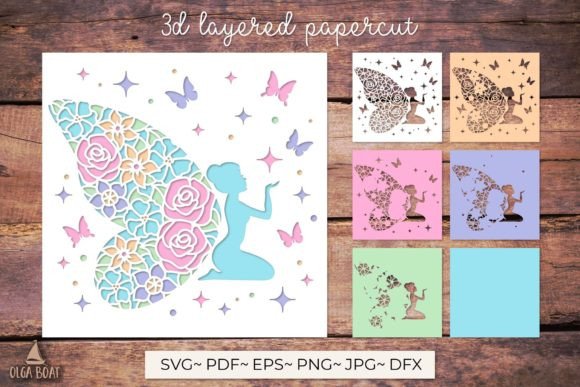
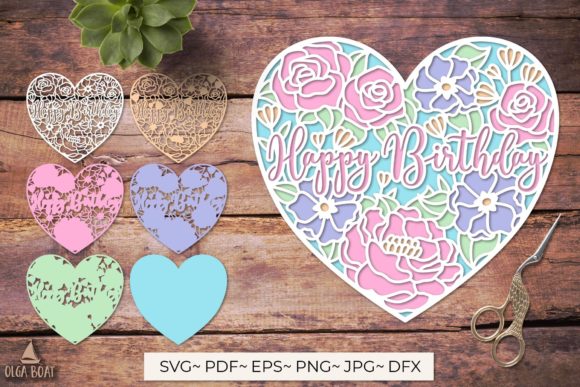
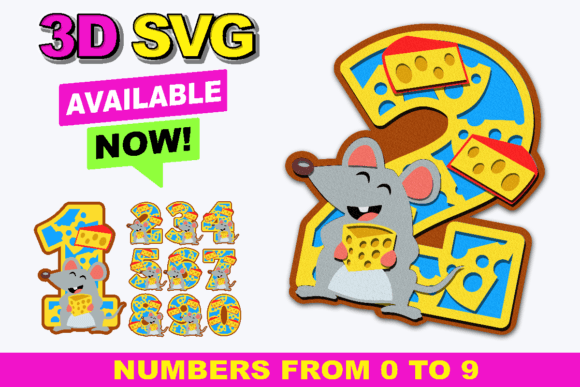
However, the "3D" aspect is where the magic happens. A standard SVG is flat. A 3D layered SVG, such as the cheese number collection, consists of multiple separate files that stack on top of one another to create an illusion of depth. Typically, a single number in this collection includes three distinct layers:
- The Base Layer: Usually the largest piece, forming the bottom foundation of the number.
- The Middle Layer: Slightly smaller, often used to create a shadow effect or a color transition.
- The Top Layer: The finest detail layer that sits on top, giving the number its final shape and definition.
When these three layers are cut from different colors of material and adhered together, they create a tangible, physical 3D object. This technique transforms a simple numeral into a textured, eye-catching element that pops off the surface it is applied to.
The Appeal of the Cheese Theme in Modern Design
You might wonder, why cheese? In the realm of design, thematic consistency is key. The cheese aesthetic—often characterized by warm yellows, oranges, and playful hole patterns—evokes feelings of comfort, fun, and nostalgia. It is particularly popular for birthday celebrations, baby showers, and culinary-themed events.
Using a Cheese Numbers 3D SVG allows creators to tap into this trendy aesthetic without needing advanced illustration skills. The design does the heavy lifting for you. Instead of trying to manually draw a block of Swiss cheese with perfect holes and shading, you download a pre-made vector file that is ready to go. This democratizes design, allowing beginners to produce results that look professionally crafted.
Compatibility with Cutting Machines
One of the most significant advantages of this file type is its compatibility with industry-standard cutting machines. The collection is specifically optimized for software like Silhouette Studio and Cricut Design Space. These programs recognize the separate layers within the zipped folder, allowing you to assign different colors to each layer effortlessly.
If you are using a Cricut machine, you can upload the SVG files directly, and the software will automatically detect the layers for you. Similarly, Silhouette users can import these files and see the distinct paths ready for cutting. However, it is important to note that if you are using a different type of machine or software, you should ensure that your system supports SVG imports and layer management. While most modern vector editors (like Adobe Illustrator or Inkscape) handle these files well, older or proprietary systems might require conversion.
Practical Applications: Beyond the Birthday Cake
While the immediate thought for many upon seeing number graphics is a birthday cake, the versatility of the Cheese Numbers 3D SVG extends far beyond confectionery. Because these are vector files intended for cutting and printing, their utility spans various industries and hobbies.
1. Custom Apparel and Merchandise
Small business owners often look for unique designs to sell on t-shirts, hoodies, and tote bags. By using heat transfer vinyl (HTV), you can cut each of the three layers in different shades of yellow and orange. When pressed onto fabric, the layered effect creates a premium look that flat prints cannot achieve. Imagine a toddler's shirt featuring a large, puffy "3" made of layered cheese vinyl for their third birthday—it becomes an instant keepsake.
2. Stickers and Decals
The world of stationery and planning is huge. These SVGs are perfect for creating dimensional stickers. By cutting the layers from adhesive vinyl and stacking them with a slight offset or using foam tape between layers, you create a sticker with actual physical depth. These are highly sought after for water bottles, laptops, and planner decorations.
3. Cake Toppers and Party Decor
This is perhaps the most classic use case. By cutting the layers from cardstock or acrylic, you can create sturdy, freestanding cake toppers. The 3D nature of the design ensures that the number stands out against the frosting, making it the focal point of the dessert table. Furthermore, these numbers can be scaled up to create wall decorations for photo backdrops, turning a simple room into a themed party zone.
How to Get Started: A Step-by-Step Overview
Ready to start creating? The process is straightforward, but attention to detail ensures the best results. Here is a logical workflow for using your downloaded Cheese Numbers 0-9 SVG files:
- Download and Unzip: Once you purchase or download the collection, you will receive a zipped folder. Extract this folder to access the individual SVG files for numbers 0 through 9.
- Import to Software: Open your preferred design software (Cricut Design Space or Silhouette Studio). Import the specific number file you need.
- Ungroup and Separate: The software may group the layers initially. Ungroup them to reveal the three distinct layers. Assign a specific color to each layer to visualize how they will stack.
- Prepare Materials: Load your cutting machine with the appropriate material (vinyl, cardstock, or HTV). Ensure you have three contrasting or complementary colors ready for the layered effect.
- Cut and Weed: Send the design to your machine. Once cut, "weed" the excess material, leaving only the number shapes on their backing sheets.
- Assemble: Carefully peel the layers and stack them. Start with the largest base layer, align the middle layer precisely on top, and finish with the top detail layer. Use adhesive suitable for your material type.
Common Misunderstandings and Tips
A common assumption among beginners is that 3D SVGs are difficult to align. In reality, most high-quality collections, like this cheese number set, are designed with registration in mind. The layers are drawn to fit together perfectly if aligned correctly. However, patience is key during the assembly phase. Using tweezers can help when placing small top layers.
Another misconception is that these files are only for vinyl cutters. As mentioned earlier, they are equally effective for sublimation printing (where you print the layers with shadows to mimic depth) or even for hand-painting guides. The vector nature of the file means you define the medium, not the other way around.
The Broader Impact on DIY Culture
The availability of specialized assets like the Cheese Numbers 3D SVG highlights a broader shift in the maker community. We are moving away from generic, mass-produced decorations toward personalized, handmade items. This shift empowers individuals to express creativity in their daily lives, whether it's decorating a nursery, branding a small business, or crafting a unique gift.
Moreover, these tools foster educational opportunities. Parents and teachers can use layered SVG projects to teach children about sequencing, color theory, and fine motor skills. The process of assembling a 3D number requires focus and precision, turning a craft activity into a valuable learning experience.
Conclusion
The Cheese Numbers Numbers 3D SVG collection is more than just a set of digital files; it is a gateway to enhanced creativity. By offering numbers 0-9 in a versatile, three-layered format, this resource bridges the gap between amateur enthusiasm and professional-grade results. Whether you are cutting vinyl for a t-shirt, designing a cake topper, or creating stickers, the depth and charm of these designs add a special touch to any project.
As you explore the possibilities of layered SVGs, remember that the true value lies in experimentation. Mix colors, try different materials, and apply these charming cheese numbers to unexpected surfaces. With the right tools and a bit of imagination, the potential for what you can create is limitless. Happy crafting!