Crafting Depth: A Practical Look at the Graduation 3D Shadow Box Paper Cut
Hello, crafters. In the realm of paper arts, few projects balance technical precision with emotional resonance quite like a layered shadow box. As we approach graduation season, the demand for personalized, high-impact gifts and decor surges. Among the available resources, the Graduation 3D Shadow Box Paper Cut stands out as a versatile asset for both hobbyists and small business owners. This is not merely a digital file; it is a structured template designed to transform flat cardstock into a dimensional narrative of academic achievement. Understanding its specifications, workflow requirements, and final presentation potential is essential before integrating it into your creative pipeline.
Technical Specifications and File Versatility
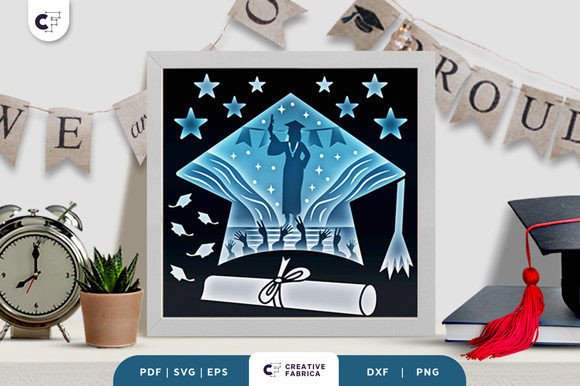
The core value of this template lies in its engineering. The design utilizes a 7-layer structure, which is often the sweet spot for paper crafting. Fewer layers can result in a flat appearance lacking depth, while excessive layers can make assembly cumbersome and obscure the central imagery. Each layer contributes to the parallax effect, creating a sense of distance and volume that draws the viewer's eye inward.
The template is provided in a square format measuring 20.32×20.32 cm (approximately 8x8 inches). This dimension is strategic; it fits standard small frames readily available at craft stores while remaining substantial enough to display intricate details. For those utilizing digital cutting machines, the inclusion of SVG, DXF, EPS, PDF, and PNG formats ensures compatibility across the board. Whether you operate a Silhouette Cameo, a Cricut Maker, or an industrial laser cutter, the vector files allow for clean, precise cuts. The SVG file, in particular, offers the flexibility to resize the design. However, it is critical to maintain the aspect ratio during scaling to prevent distortion of the graduated cap, diploma, or background elements.
For creators without access to electronic cutters, the PDF and PNG files serve as reliable templates for manual cutting. While using an art knife and scissors requires more time and a steady hand, the layer separation remains clear, allowing for accurate tracing and execution. This dual approach—machine-ready and hand-cut friendly—broadens the accessibility of the project significantly.
Material Selection and Structural Integrity
The success of any 3D paper project hinges on material choice. The structural integrity of a seven-layer shadow box depends on the weight and stiffness of the paper used. If the cardstock is too thin, the layers may bow or collapse under their own weight or the tension of the adhesive. Conversely, paper that is too thick can be difficult to cut cleanly, especially for intricate interior details.
In evaluating similar projects, Encore Cardstock 80 lb cover (216 gsm) has proven to be an industry standard for this type of work. This weight provides sufficient rigidity to hold the 3D form without requiring excessive internal supports, yet it remains pliable enough for clean cutting and folding. When sourcing materials, aiming for this specific GSM range will yield the most professional results. It is worth noting that the final color of your project may vary slightly from digital previews due to lighting conditions and the specific dye lot of the paper manufacturer. Always test a single layer with your chosen adhesive before committing to the full assembly to ensure there are no adverse reactions or warping.
Assembly Workflow and Adhesion Strategies
Assembling a multi-layer shadow box is a exercise in patience and spatial awareness. The process involves stacking the seven layers with consistent spacing between them to achieve the desired depth. The primary challenge here is maintaining uniformity. Uneven spacing can disrupt the visual flow and make the final piece look amateurish.
To assemble the design effectively, you will need a strong bonding agent. Glue or double-sided tape are the standard options, but their application differs. Liquid glue offers a permanent bond but carries the risk of seepage if applied too heavily. Double-sided foam tape is often preferred for shadow boxes because it inherently creates the necessary spacing between layers. By applying small squares of foam tape at the corners and mid-points of each layer, you simultaneously adhere and space the components. This method also adds to the overall stability of the structure.
During assembly, work from the background layer forward. Ensure each layer is perfectly aligned before pressing down. Misalignment in the early stages compounds as you move up the stack, potentially ruining the symmetry of the graduation motif. Taking the time to dry-fit the layers before applying adhesive is a professional habit that prevents costly errors.
Display Options: Framed Decor vs. Illuminated Light Boxes
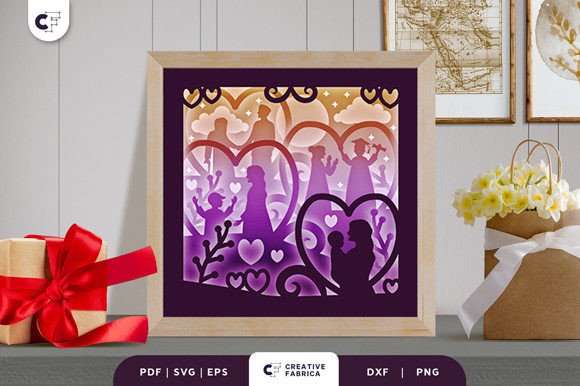
One of the most compelling features of the Graduation 3D Shadow Box Paper Cut is its adaptability regarding display. Traditionally, these pieces are housed in deep-set picture frames, creating a classic wall decoration suitable for a home office, dorm room, or living area. In this configuration, natural or ambient room light casts soft shadows within the layers, enhancing the three-dimensional effect throughout the day.
However, for a more dramatic presentation, this template is exceptionally well-suited for conversion into a light box. By integrating LED strips between the layers during assembly, the paper becomes a translucent medium that glows from within. This technique highlights the negative space and intricate cutouts, turning the graduation scene into a luminous focal point. This variation is particularly effective for evening events, graduation parties, or as a nightlight for a student's new apartment. When planning a light box version, consider using lighter colored cardstock or vellum for specific layers to maximize light transmission, and ensure your power source for the LEDs is accessible or battery-operated for portability.
Target Audience and Commercial Viability
Who benefits most from this specific template? The utility extends beyond the casual crafter looking for a weekend project. For small business owners and freelance designers, this asset represents a scalable product. Graduation is a recurring annual event with a massive market for personalized gifts. A creator can produce these shadow boxes in batches, customizing the colors to match school mascots or using high-end metallic cardstocks to command a premium price point.
Educators and school administrators may also find value in using these templates for recognition ceremonies or decorating faculty lounges. The professional finish of a 7-layer cut conveys a level of care and celebration that printed posters cannot match. Furthermore, bloggers and content creators in the DIY niche can use this project to generate engaging tutorials, driving traffic through the visual appeal of the finished product.
It is important to acknowledge limitations. While the SVG files are resizable, drastically enlarging the design beyond its intended 20cm scale may reveal pixelation in the preview images or require re-vectoring of certain fine details depending on the source file quality. Additionally, the complexity of seven layers means this is not a "quick" project; it requires a dedicated block of time for cutting, weeding, and assembly. Users seeking instant gratification may find the process demanding, though the result justifies the effort.
Final Assessment on Long-Term Value
The Graduation 3D Shadow Box Paper Cut offers a robust solution for creating meaningful, tactile art. Its strength lies in the balance of detailed design and practical usability. The availability of multiple file formats removes technical barriers, while the 7-layer architecture ensures a high-quality aesthetic outcome. Whether utilized as a heartfelt family gift, a decorative element for a special event, or a product for a crafting business, the template delivers consistent results when paired with appropriate materials like 80 lb cardstock.
For those ready to invest the time in assembly, the potential for customization—through color choices, lighting integration, and framing styles—makes this a worthwhile addition to any digital library. It transforms a standard milestone into a preserved memory, literally adding depth to the celebration of academic success.