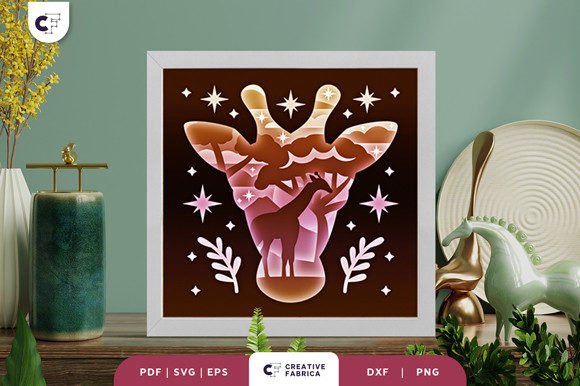
Strategic Design Execution with the Giraffe Head 3D Shadow Box Paper Cut
In the realm of creative production and small-scale manufacturing, the difference between a generic craft project and a high-value asset often lies in intentionality. The Giraffe Head 3D Shadow Box Paper Cut represents more than just a decorative template; it is a versatile tool for creators who understand how layered design can elevate branding, enhance spatial aesthetics, and streamline workflow efficiency. Whether you are an entrepreneur looking to expand your product line, an educator seeking engaging visual aids, or a hobbyist aiming for professional-grade results, approaching this asset with a strategic mindset is essential.
This layered, square paper cutting template offers a structured foundation for creating depth and dimension without the need for complex modeling software or expensive machinery. By utilizing the provided formats—SVG, PDF, EPS, PNG, and DXF—you gain the flexibility to adapt the design to various operational needs. The file includes six distinct layers, each calibrated to create a specific shadow depth when assembled within the standard 20.32×20.32 cm footprint. Understanding how to leverage these technical specifications allows you to move beyond simple assembly and toward purposeful creation.
Aligning Asset Selection with Strategic Goals
Before importing the Giraffe Head 3D Shadow Box Paper Cut into your cutting machine or preparing your art knife, it is crucial to define the objective of the final product. Randomly crafting items without a clear end-use often leads to wasted materials and diluted brand messaging. Instead, consider how this specific design supports your broader goals.
For small business owners and freelancers, this template can serve as a cornerstone for a niche product line focused on safari-themed nursery decor or educational wildlife displays. The giraffe, with its distinctive silhouette, offers immediate recognition and appeal. When positioned correctly, such products can command higher price points due to their perceived complexity and handmade quality. The key here is consistency; using the same high-quality Encore Cardstock 80 lb cover (216 gsm) ensures that every unit leaving your workspace meets a uniform standard of durability and finish.
Educators and publishers might view this asset through the lens of engagement. A 3D shadow box is not merely a picture; it is a tactile learning tool that demonstrates concepts of depth, layering, and anatomy. By integrating this into a curriculum or a published kit, you provide a hands-on experience that static images cannot replicate. The decision to use a pre-designed template like this saves valuable planning time, allowing you to focus on the pedagogical delivery rather than the intricacies of vector design.
Technical Considerations for Optimal Output
The utility of the Giraffe Head 3D Shadow Box Paper Cut is heavily dependent on how you manage the technical variables of production. The inclusion of multiple file formats is a strategic advantage, but it requires knowledge of which format suits your specific hardware and workflow.
- SVG Files: Ideal for users operating Silhouette or Cricut machines. These scalable vector graphics ensure clean cut lines regardless of resizing, provided you maintain the aspect ratio. This is critical for maintaining the structural integrity of the layers.
- PDF and EPS: Best for professional printing services or users who prefer working in Adobe Illustrator or InDesign. These formats preserve vector data for precise scaling and editing.
- PNG: Useful for digital previews, marketing materials, or mockups before physical production begins.
- DXF: A universal format compatible with a wide range of CAD software and older cutting machines, ensuring broad accessibility.
When preparing to cut, remember that the design consists of six layers. This density requires careful material selection. While the template is optimized for 80 lb cover stock, deviating from this weight can alter the shadow effect. Thinner paper may collapse under the weight of the layers or fail to cast a defined shadow, while excessively thick cardstock might make folding and gluing difficult, compromising the clean lines of the giraffe's features. If you do not have access to a digital cutter, the design is equally viable for manual execution using an art knife and scissors, though this shifts the cost equation from machine time to labor time.
Enhancing Value Through Lighting and Presentation
A significant opportunity for value addition lies in the transformation of the static shadow box into a dynamic light box. By strategically placing LED strips between the layers of the Giraffe Head 3D Shadow Box Paper Cut, you alter the user experience entirely. This modification turns a wall decoration into a functional night light or a focal point for ambient lighting design.
For marketers and content creators, this variation offers compelling visual content. The interplay of light and shadow creates depth that photographs well, making it ideal for social media campaigns or portfolio showcases. However, this approach requires additional planning. You must account for the power source, the heat output of the LEDs, and the opacity of the cardstock. Testing different paper colors is advisable, as the note regarding color variation due to lighting sources is not just a disclaimer but a design variable. A warm white LED against cream cardstock yields a soft, inviting glow, whereas a cool white LED against stark white paper creates a crisp, modern aesthetic.
Framing is another critical decision point. The 20.32×20.32 cm size fits standard square frames, but the depth of the shadow box requires a frame with sufficient cavity space. Using a deep-set frame protects the delicate layers from dust and damage, extending the product's lifespan and maintaining its premium appearance. This attention to presentation details reinforces the perception of quality, which is vital for customer retention and brand reputation.
Risk Management and Intentional Usage
While the Giraffe Head 3D Shadow Box Paper Cut is a robust tool, relying on it without context carries risks. One common pitfall is the "template trap," where creators produce identical items without adding unique value. In a saturated market, selling the exact same design as hundreds of others leads to a race to the bottom on price. To mitigate this, you must customize the execution.
Consider varying the color palette to match specific interior design trends or seasonal themes. Use the template as a base for mixed-media projects, perhaps incorporating hand-painted details or textured backgrounds behind the layers. For entrepreneurs, the strategy should involve bundling this item with complementary products or offering it as part of a curated collection rather than a standalone commodity.
Furthermore, be mindful of the assembly process. The requirement for glue or double-sided tape introduces a variable in production speed and consistency. In a high-volume setting, inconsistent adhesive application can lead to layers shifting or bubbling, ruining the 3D effect. Developing a standardized assembly jig or protocol is a practical step to ensure every unit meets quality expectations. Ignoring these operational details can result in increased waste and customer dissatisfaction.
Long-Term Planning and Scalability
Integrating the Giraffe Head 3D Shadow Box Paper Cut into your long-term plan involves viewing it as a modular component of a larger system. For instance, if you are building a brand around animal-themed decor, this giraffe design is one piece of a potential ecosystem that could include lions, elephants, and zebras using similar layering techniques. This approach allows you to streamline your supply chain by ordering consistent materials in bulk and mastering a single assembly workflow.
Additionally, the digital nature of the files allows for easy archiving and retrieval. Should you decide to pause production or pivot your business model, these assets remain ready for deployment when market conditions shift. The ability to resize the SVG files while maintaining aspect ratios means you can experiment with different scales for future projects without needing to commission new designs, offering significant cost savings over time.
Ultimately, the value of this template is not inherent in the file itself but in the strategic decisions surrounding its use. By focusing on quality materials like the recommended 216 gsm cardstock, optimizing the lighting and framing for maximum impact, and avoiding the trap of generic reproduction, you transform a simple paper cut into a meaningful, profitable, and aesthetically pleasing result. Whether used for personal enrichment or commercial gain, the Giraffe Head 3D Shadow Box Paper Cut serves as a testament to the power of thoughtful design execution.