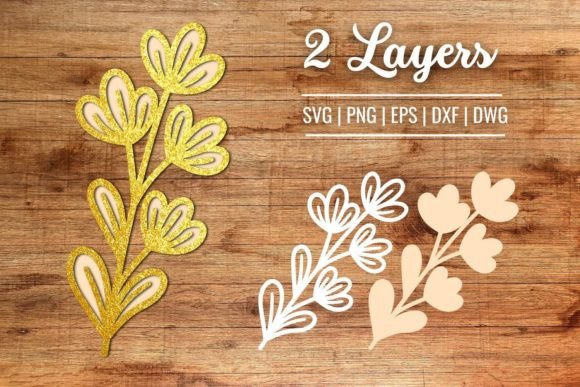
Unlocking Dimension: Creative Projects with a 3D Leaf Cut File
There is something undeniably satisfying about taking a flat sheet of material and turning it into an object that seems to leap off the surface. This is the magic of layering, and it is exactly what makes working with a 3D leaf cut file so compelling for crafters and designers alike. Unlike standard silhouette designs that rely on a single outline, these files are engineered with multiple layers in mind. Each layer represents a different depth or shade, allowing you to build up texture and shadow simply by stacking cut pieces of paper, cardstock, vinyl, or even thin wood.
When you download a bundle like this, you aren't just getting one image; you are receiving a toolkit designed for versatility. The inclusion of formats like SVG, PNG, EPS, DXF, and DWG means that whether you are a hobbyist using Cricut Design Space or a professional engineer working in CorelDRAW, the assets are ready to go. However, the real value lies not in the file extensions themselves, but in how they translate to tangible, beautiful projects in the real world.
Bringing Nature Indoors Without the Maintenance
One of the most popular applications for these layered designs is home décor. Many people love the aesthetic of botanical elements but struggle with keeping live plants alive or dealing with the dust collection of faux silk flowers. A 3D leaf cut file offers a middle ground that is both stylish and durable. Imagine creating a large-scale wall art piece for a living room where oversized monstera or fern leaves appear to float inches away from the wall.
By cutting the base layer in a dark green cardstock and the top layers in progressively lighter shades, you create an instant shadow effect that mimics natural lighting. This technique works exceptionally well in nurseries, where soft, layered foliage can create a calming atmosphere without the allergen concerns of real plants. It is also a fantastic solution for rental properties where tenants want to personalize their space without painting walls or installing permanent fixtures. These paper installations are lightweight, easy to hang with command strips, and can be taken down without damage when it is time to move.
Elevating Event Styling and Wedding Details
In the world of event planning, details make the difference between a generic party and a memorable experience. Couples and event coordinators are increasingly turning to custom cut files to create cohesive themes that feel high-end but remain budget-friendly. A 3D leaf cut file becomes invaluable here, particularly for wedding backdrops, table runners, and invitation suites.
Consider a fall wedding theme. Instead of relying on expensive fresh greenery that wilts under hot lights, a designer can use the DXF or SVG files to cut hundreds of maple or oak leaves from metallic copper or burnt orange cardstock. Layering these creates a rich tapestry for a photo booth backdrop that looks incredible in photographs. Furthermore, these files scale beautifully. You can shrink the design down to create intricate embellishments for wedding invitations, adding a tactile element that guests appreciate. The ability to manipulate the size without losing resolution is a key strength of vector-based formats like EPS and SVG, ensuring crisp edges whether the leaf is two inches or two feet wide.
Commercial Signage and Retail Displays
Beyond personal crafts, these files serve a practical purpose in commercial settings. Retail stores and cafes often need seasonal signage that catches the eye but doesn't require a graphic designer to start from scratch every month. A bundle containing DWG and DXF files is particularly useful here, as these formats are compatible with industrial laser cutters and CNC machines used in sign shops.
A coffee shop looking to refresh its window display for autumn could use a 3D leaf cut file to create a decal that has actual depth. By layering vinyl, the sign gains a premium look that flat printing cannot achieve. Similarly, real estate agents often use themed decorations for open houses. A subtle, layered leaf arrangement on a welcome table suggests warmth and attention to detail, subtly influencing a potential buyer's perception of the home. The versatility of the file formats ensures that a small business owner using a desktop cutter and a large signage company using a plotter can both utilize the same source asset effectively.
Navigating the Technical Side: Extraction and Compatibility
While the creative possibilities are endless, there are practical steps to consider before you start cutting. Most of these bundles come compressed in a ZIP file to keep the various formats organized. For those new to digital crafting, the first hurdle is often simply accessing the content. You will need to extract or unzip the folder before your software can read the individual files. This is a crucial step; trying to import a file directly from within a compressed archive often leads to error messages in programs like Silhouette Studio or Inkscape.
Once extracted, choosing the right format for your specific machine is the next consideration. If you are using Cricut Design Space, the SVG file is usually the gold standard as it preserves the layer structure automatically. For users of older versions of Silhouette Studio that do not support SVG, the DXF file is the reliable alternative. Those working in Adobe Illustrator or Photoshop might prefer the EPS or PNG files for further customization or raster effects. Understanding which program you intend to use beforehand saves time and prevents frustration during the setup phase.
Material Choices and Structural Integrity
The success of a 3D project often hinges on material selection. Because these designs rely on stacking, the thickness of your material matters. If you are using heavy chipboard, three or four layers might be sufficient to create a bold statement. However, if you are using delicate tissue paper or standard printer paper, you may need ten or more layers to achieve the same visual impact. It is important to test a single unit before committing to a large batch.
Adhesion is another factor. When building height, the weight of the upper layers can sometimes cause the bottom layers to curl or detach if the glue isn't strong enough. Foam adhesive squares are a popular choice among crafters because they provide immediate lift and a strong bond, enhancing the 3D effect even further. Conversely, if the goal is a flush, smooth look where the layers blend seamlessly, a thin liquid glue applied sparingly is preferable. The "3D" aspect is flexible; you decide how much dimension you want to introduce based on the spacing between your layers.
Why the Multi-Format Bundle Matters
You might wonder why a single design needs to be available in six different file types. The answer lies in the diverse ecosystem of cutting technology. Not everyone uses the same tools. A teacher preparing a classroom bulletin board might only have access to a basic die-cutting machine that reads PNGs, while an architectural model maker needs the precision of a DWG file for AutoCAD. By providing a comprehensive bundle, creators ensure that the resource is accessible to the widest possible audience.
This inclusivity encourages experimentation. A user who typically works only with vinyl might see the DWG file and realize they could send the design to a local maker space to have it cut in acrylic or plywood, opening up entirely new avenues for their creativity. It removes the barrier of entry, allowing the focus to shift from technical compatibility to artistic expression.
Ultimately, utilizing a 3D leaf cut file is about adding a layer of sophistication to everyday materials. It transforms simple cardstock into art and turns standard signage into a conversation starter. Whether you are decorating a home, planning a wedding, or outfitting a retail space, the ability to manipulate light and shadow through layering offers a unique aesthetic that flat designs simply cannot match. With the right preparation and a bit of creativity, these digital assets become the foundation for physical beauty.