Bringing Autumn to Life: The Art and Utility of Tomato 3D Papercraft
In an era where digital saturation often leaves us craving tangible experiences, the resurgence of hands-on creativity offers a refreshing counterbalance. Among the various mediums available to modern makers, Tomato 3D Papercraft stands out as a charming intersection of seasonal aesthetics and technical precision. This is not merely about cutting paper; it is about constructing dimension from flat stock, transforming simple cardstock into a vibrant centerpiece that captures the essence of harvest time. Whether you are a professional event planner looking for unique decor, an educator seeking engaging STEM activities, or a hobbyist eager to personalize your home, this craft form addresses a growing desire for authentic, handmade elements in our daily lives.
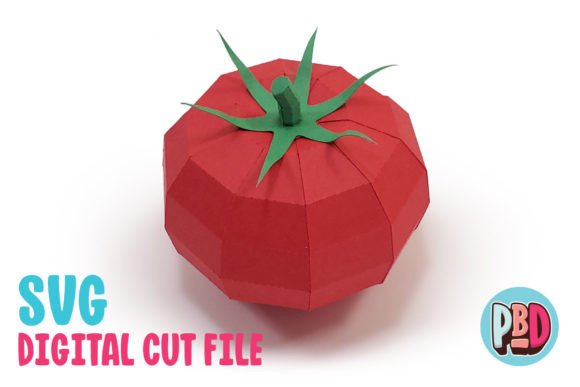
The specific appeal of the tomato design lies in its versatility and scale. Measuring approximately 4 inches in width and depth with a height of 3.5 inches, these models are substantial enough to make a visual statement yet compact enough for tabletop arrangements, party favors, or shelf displays. As we move deeper into a culture that values customization and sustainability, the ability to create high-quality decor on demand—without the carbon footprint of mass-produced plastic ornaments—has become increasingly relevant. This shift reflects a broader trend where consumers and creators alike are prioritizing quality over quantity, seeking items that tell a story and reflect personal effort.
The Evolution of Seasonal Decor and Digital Fabrication
Traditionally, fall and harvest decorations were limited to what could be found in big-box stores: generic pumpkins, mass-produced cornucopias, and synthetic foliage. While convenient, these items often lacked character and contributed to seasonal waste. The rise of accessible digital fabrication tools has democratized the creation of decor. Today, the workflow for creating something like a Tomato 3D Papercraft model begins digitally but ends physically, bridging the gap between virtual design and tactile reality.
This evolution caters to changing user expectations. Modern audiences, particularly those aged 20 to 50, expect flexibility. They want designs that can be scaled, colored, and adapted to fit specific themes. A tomato model, for instance, can be printed on traditional red cardstock for a classic look, or on patterned paper for a whimsical twist. It fits seamlessly into diverse settings, from rustic farmhouse dinner parties to modern classroom projects about agriculture and nutrition. The trend is moving away from static, one-size-fits-all solutions toward dynamic, user-driven creation.
Furthermore, the technology supporting this craft has matured. The availability of precise cut files in formats like SVG and DXF means that creators no longer need to be expert illustrators to produce professional-grade results. The barrier to entry has lowered, allowing entrepreneurs and freelancers to incorporate these elements into their service offerings. A wedding planner might use these tomatoes as part of a "farm-to-table" themed reception, while a blogger could feature them in a DIY tutorial, driving engagement through shareable, visually appealing content.
Technical Workflow and Material Considerations
Executing a successful 3D papercraft project requires attention to detail, starting with the right materials and software. The design in question is intended to be built using medium cardstock. This weight is crucial; it provides enough rigidity to hold the 3D structure without being so thick that it resists folding or gluing. Using the correct material ensures the final product maintains its shape, with crisp edges and stable geometry.
The digital workflow typically begins with a download containing a ZIP file. Inside, users will find an SVG cut file, a DXF cut file, and PDF instructions. It is important to note that all files must be extracted before use. For those utilizing Cricut Design Space or Silhouette Designer Edition (and above), the SVG cut file is the preferred format. SVGs generally offer cleaner cuts and preserve the integrity of the design layers, resulting in a more polished final assembly.
However, accessibility remains a key factor in the crafting community. For users with Silhouette Basic Edition, the DXF cut file provides a necessary alternative. While functional, it requires specific configuration to work correctly. Users must navigate to Edit Preferences, select Import, and change the DXF setting from "As-is" to "Centered." Without this adjustment, the file may not load properly, leading to frustration and wasted material. Additionally, it is worth noting that DXF files can open more slowly in Silhouette Studio and may not render as cleanly as SVGs. Whenever possible, leveraging the SVG format is recommended for efficiency and quality.
Practical Applications for Professionals and Creators
The utility of Tomato 3D Papercraft extends beyond personal hobbying. For educators, these models serve as excellent tools for teaching geometry, spatial reasoning, and following complex instructions. The process of assembling the tabs and folds reinforces fine motor skills and patience. In a business context, these items can be scaled for events. Imagine a corporate harvest festival where each attendee receives a hand-assembled tomato favor, or a restaurant using them as part of a seasonal table setting to enhance the dining atmosphere.
Marketers and content creators can also leverage this trend. Visual content is king, and the process of making these crafts provides rich material for social media channels. Time-lapse videos of the assembly, close-ups of the textured cardstock, and final shots of the decorated spaces resonate well with audiences seeking inspiration. By integrating these projects into their content strategy, creators can foster a sense of community and shared achievement among their followers.
Moreover, the cost-effectiveness of papercraft cannot be overstated. Compared to purchasing ceramic or glass decor, producing a set of paper tomatoes is significantly more affordable, especially when created in bulk. This allows small business owners and event planners to maintain high aesthetic standards without inflating their budgets. The ability to replace damaged items instantly by simply printing and cutting another set adds a layer of practicality that rigid materials cannot match.
Navigating the Assembly Process
Once the files are prepared and the cardstock is cut, the assembly phase begins. This is where the digital design transforms into a physical object. The PDF instructions included in the download are vital, guiding the user through the sequence of folds and adhesive applications. Patience is key here; rushing the gluing process can lead to misaligned tabs and a skewed final shape.
For best results, use a high-quality craft glue or a glue stick that dries clear. Apply adhesive sparingly to the tabs to prevent seepage, which can mar the appearance of the vibrant red surface. As you build up the layers, ensure that the pressure is applied evenly to secure the bonds. The result is a sturdy, freestanding model that captures the plump, organic shape of a ripe tomato.
It is also an opportunity for customization. Before assembly, creators can add details like green cardstock leaves or stems to enhance realism. Some may choose to distress the edges slightly for a vintage look, or apply a light coat of varnish for durability if the item will be handled frequently. These small touches elevate the project from a simple craft to a piece of bespoke art.
Future Outlook and Sustainable Practices
Looking ahead, the popularity of projects like Tomato 3D Papercraft signals a lasting shift in how we approach decoration and consumption. As environmental awareness grows, the demand for biodegradable, recyclable, and low-impact decor will likely increase. Paper, being inherently eco-friendly compared to plastics, positions papercraft as a sustainable choice for the future.
Additionally, the integration of AI and advanced design software may soon allow for even greater customization, enabling users to modify templates in real-time before cutting. However, the core appeal will remain the same: the satisfaction of creating something real with one's own hands. In a world increasingly mediated by screens, the tactile experience of folding, gluing, and shaping paper offers a grounding, mindful activity that benefits mental well-being.
Ultimately, whether used for a festive autumn gathering, an educational demonstration, or a quiet evening of creativity, this tomato design represents more than just a craft project. It is a testament to the enduring power of making, blending traditional techniques with modern technology to create something both beautiful and meaningful. By embracing these tools and trends, creators of all levels can enrich their environments and connect with a community that values ingenuity and craftsmanship.